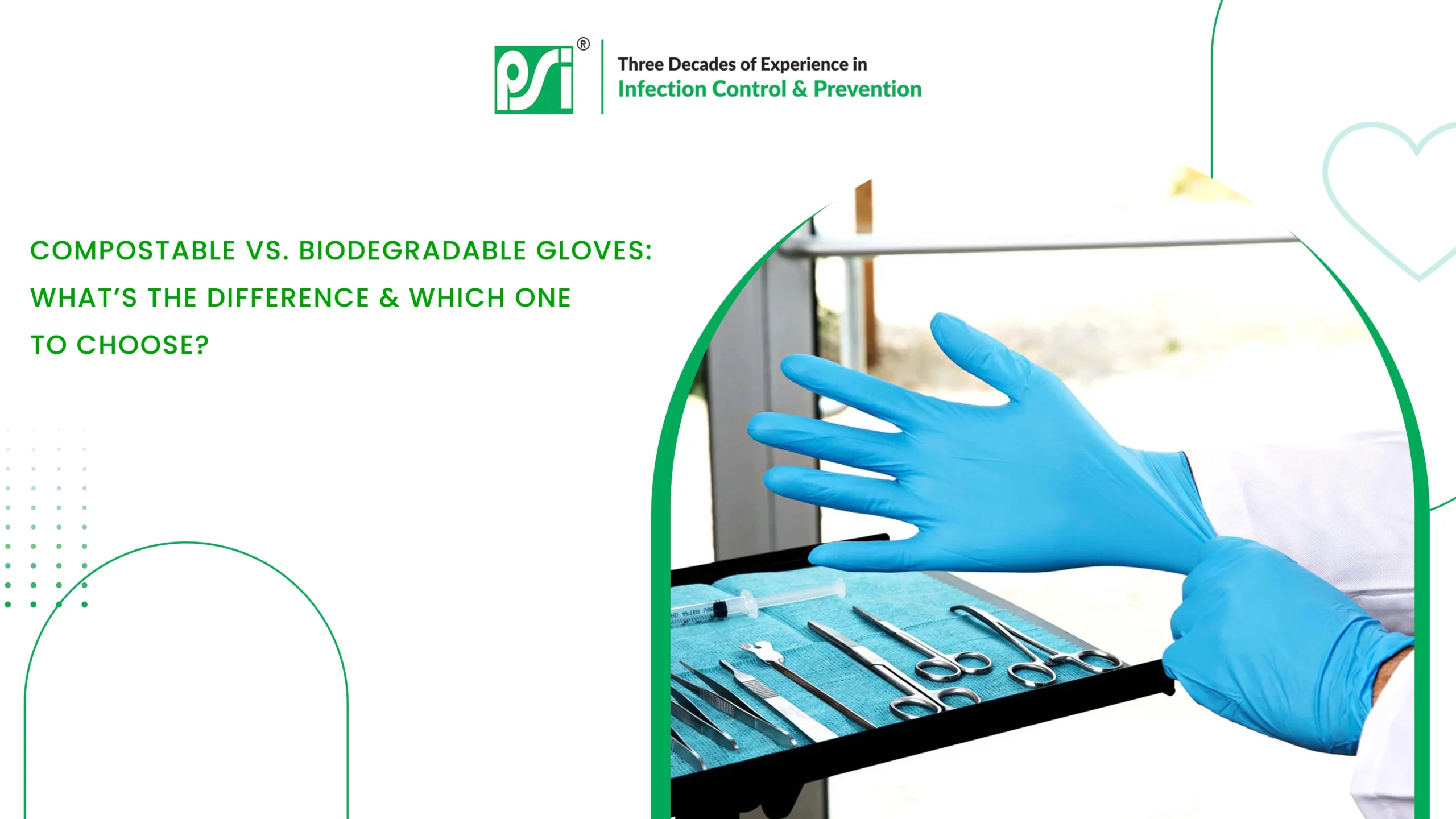
Compostable vs. Biodegradable Gloves: What’s the Difference & Which One to Choose?
In the pursuit of sustainability, especially in healthcare and related industries, the choice of eco-friendly disposable gloves plays a pivotal role. Terms like “compostable” and “biodegradable” are often used interchangeably, but they signify different environmental impacts and functionalities. Understanding these differences is crucial for making informed decisions that align with both safety standards and environmental responsibilities.
🌱 Understanding the Basics
Biodegradable Gloves India
Features:
- Made from materials that can break down over time through natural processes involving microorganisms.
Advantages:
- Reduce long-term waste accumulation.
- Can decompose in various environments, including landfills.
Benefits:
- Offer an eco-friendlier alternative to traditional gloves.
- Suitable for applications where composting facilities are unavailable.
Compostable Gloves
Features:
- Manufactured from plant-based materials like cornstarch or PLA (polylactic acid).
- Designed to decompose under specific composting conditions.harmonycr.com
Advantages:
- Break down into non-toxic components within a defined timeframe.
- Often certified by standards such as ASTM D6400 or EN 13432.
Benefits:
- Ideal for environments with access to industrial composting facilities.
- Leave no harmful residues, contributing to healthier ecosystems.
Key Differences at a Glance
| Aspect | Biodegradable Gloves | Compostable Gloves |
| Material Composition | May include synthetic additives to enhance degradation. | Primarily plant-based materials. |
| Decomposition Time | Varies widely; can take months to years. | Typically decomposes within 90-180 days under composting conditions. |
| End Products | May leave behind residues or microplastics. | Breaks down into water, CO₂, and biomass. |
| Disposal Requirements | Can degrade in various environments. | Requires specific composting conditions. |
| Certifications | Not always certified. | Often certified (e.g., ASTM D6400, EN 13432). |
Application Scenarios
Healthcare Settings
- Biodegradable Gloves: Suitable for general examinations and procedures where exposure to hazardous substances is minimal.
- Compostable Gloves: Ideal for non-critical tasks, such as administrative duties or patient transport, especially in facilities with composting programs.
Food Industry
- Biodegradable Gloves: Useful in food preparation areas without access to composting facilities.
- Compostable Gloves: Perfect for establishments committed to zero-waste initiatives and equipped with composting systems.
General Use
- Biodegradable Gloves: Appropriate for tasks like cleaning or gardening where gloves may end up in regular waste streams.
- Compostable Gloves: Best for environments where composting is part of the waste management strategy.
Environmental Impact
Choosing between biodegradable and compostable gloves manufacturer significantly affects environmental outcomes.
- Biodegradable Gloves: While they reduce the volume of persistent waste, incomplete degradation can lead to microplastic pollution.
- Compostable Gloves: Offer a more complete breakdown, returning nutrients to the soil and supporting circular economy principles.torisegroup.com
Certifications and Standards
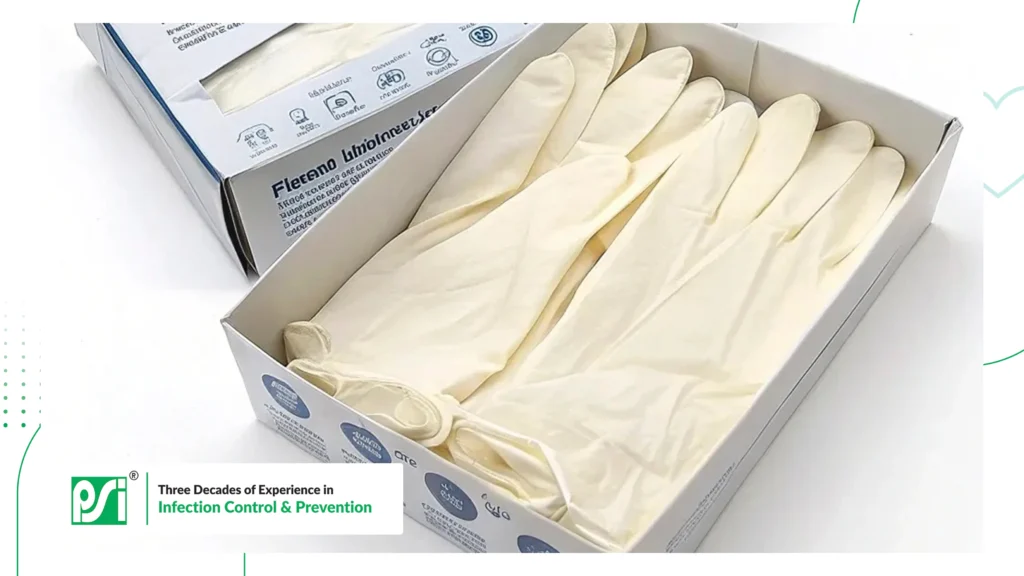
When selecting gloves, look for certifications that validate environmental claims:
- ASTM D6400: Specifies requirements for labeling plastics and products as compostable in municipal and industrial aerobic composting facilities.
- EN 13432: European standard for compostability, ensuring products break down under industrial composting conditions.
These certifications provide assurance that the products meet stringent environmental and safety criteria.
Case Study: Implementing Compostable Gloves in a Healthcare Facility
A mid-sized hospital in India aimed to reduce its environmental footprint by switching to compostable gloves and Biodegradable Medical Supplies for non-critical tasks. Over six months, the facility observed:
- Waste Reduction: A 30% decrease in non-hazardous glove waste.
- Cost Efficiency: Long-term savings through reduced waste disposal fees.
- Staff Engagement: Increased awareness and participation in sustainability initiatives among healthcare workers.
This transition not only supported environmental goals but also fostered a culture of sustainability within the organization.
Partnering with Plastisurge Industries
As a leading manufacturer of medical disposables in India, Plastisurge Industries offers a range of eco-friendly gloves tailored to various industry needs.
Why Choose Plastisurge?
- Quality Assurance: Products meet national and international standards.
- Sustainable Practices: Commitment to reducing environmental impact through innovative product development.
- Customer Support: Dedicated assistance to help clients transition to more sustainable options.
Explore our offerings and join the movement towards a greener future.
📞 Get in Touch
Ready to make the switch to environmentally responsible gloves?
- Website: Plastisurge Industries
- Phone: 08045805049
- Email: sales@psidispo.com
Let’s work together to protect both people and the planet.
Frequently Asked Questions
1. What is the difference between biodegradable and compostable gloves?
Biodegradable gloves in India decompose naturally over time, but may leave residues. Compostable gloves break down completely under specific conditions, leaving no harmful waste.
2. Are compostable gloves suitable for medical use in India?
Yes, compostable gloves are ideal for non-critical medical tasks. As a trusted compostable gloves manufacturer, we ensure they meet safety and environmental standards.
3. Why should I choose eco-friendly disposable gloves over regular ones?
Eco-friendly disposable gloves reduce landfill waste and environmental harm. Whether biodegradable or compostable, they’re a smarter, sustainable choice for healthcare and food industries.
4. How do I know if the gloves are truly biodegradable or compostable?
Look for certified biodegradable medical supplies with standards like ASTM D6400 or EN 13432. These ensure the gloves meet global eco-compliance and break down as promised.
Note: Always ensure that the chosen gloves meet the specific requirements of your industry and local regulations.