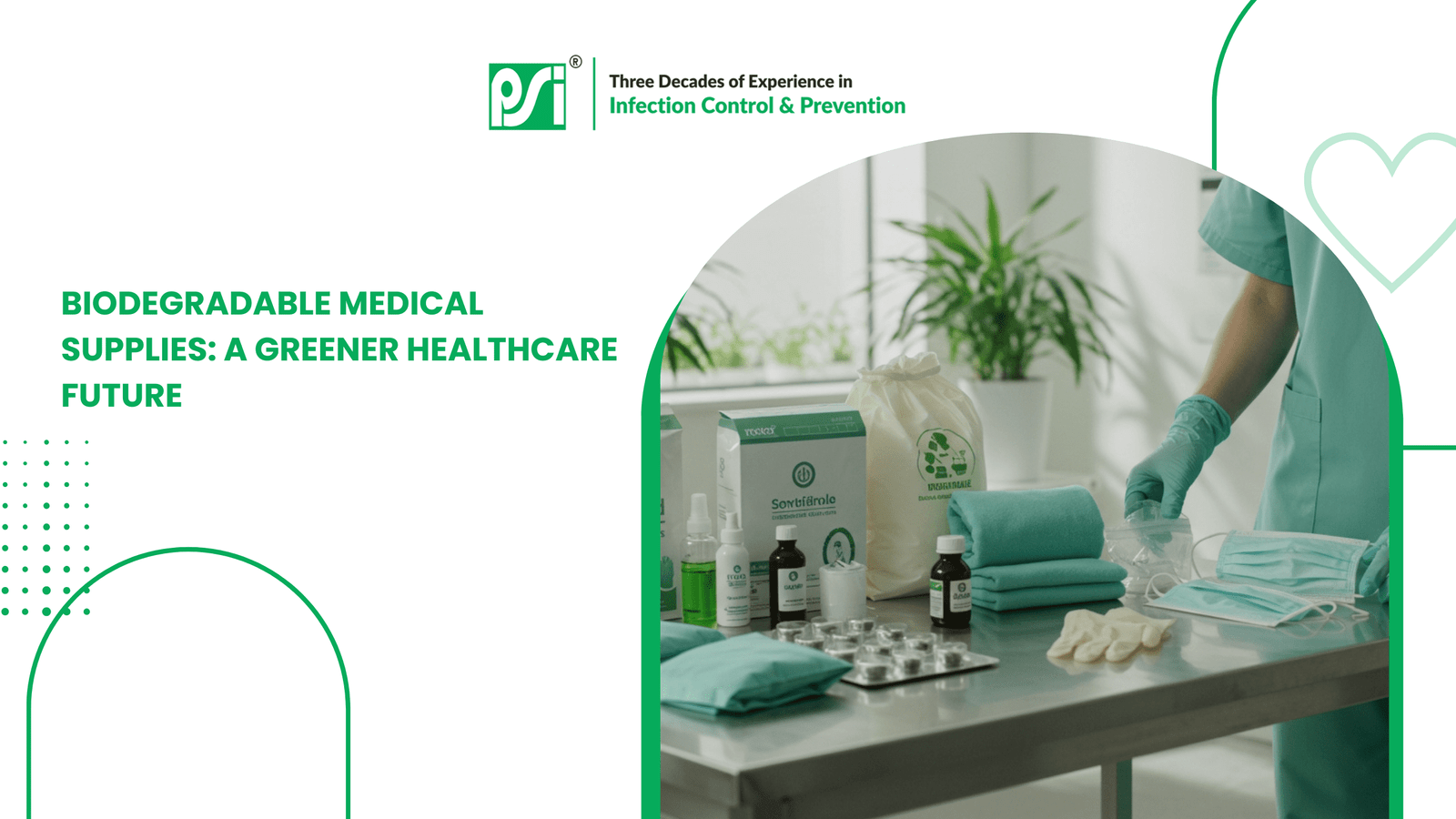
Biodegradable Medical Supplies: A Greener Healthcare Future
Every hospital wants to deliver safe and reliable patient care. But there is a growing challenge that healthcare facilities cannot ignore anymore. Medical waste.
Hospitals generate thousands of tonnes of waste every year. Much of this waste includes plastic gowns, drapes, syringes, masks, surgical kits and packaging that take hundreds of years to break down. This creates environmental pressure, rising waste management costs and long term pollution.
Reports show that the healthcare sector contributes nearly 4 to 5 percent of global greenhouse gas emissions. A significant portion of this comes from disposable medical items that end up in landfills or incinerators. When this waste is burned, it releases toxic fumes. When it goes to landfills, it remains there for decades.
This is where Biodegradable Medical Supplies are starting to change the future of healthcare. They offer the same hygiene, safety and quality but with a smaller environmental footprint. Hospitals around the world are now shifting from traditional disposables to Compostable Medical Products to support safer and greener operations.
In this article, we will understand what biodegradable supplies are, why they matter and how they can create a greener future for hospitals.
What Are Biodegradable Medical Supplies
Biodegradable Medical Supplies are products designed to break down naturally with the help of microorganisms, moisture and oxygen. Unlike traditional plastic based items that remain unchanged for years, biodegradable supplies decompose faster and turn into natural matter without harming the environment.
Compostable Medical Products go a step further. When placed in controlled composting conditions, they break down into soil enriching compost within a limited time period. This makes them ideal for hospitals that want to reduce long term waste.
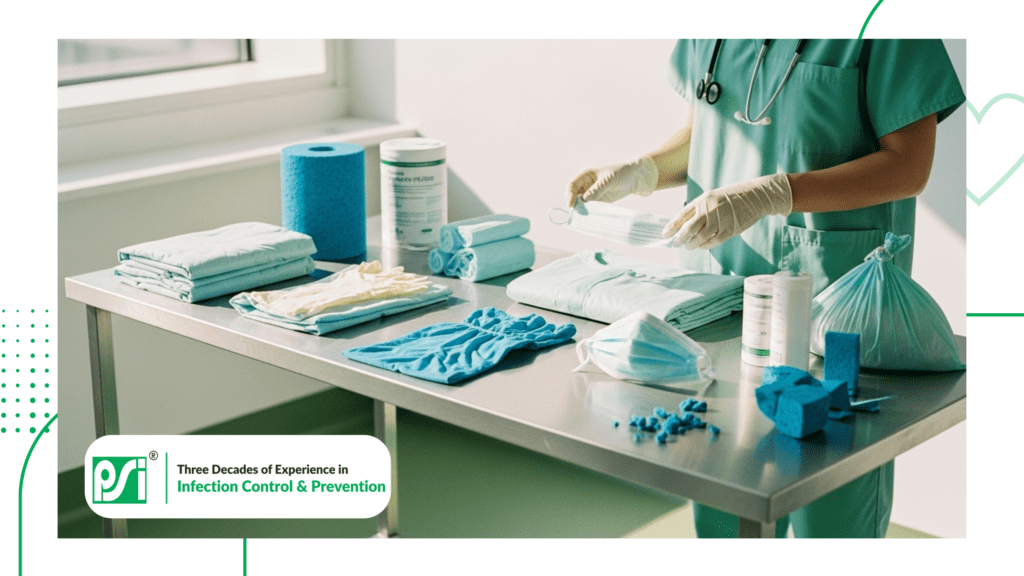
These eco friendly supplies can include items such as:
• biodegradable surgical drapes
• compostable gowns and aprons
• eco friendly packaging for medical kits
• compostable bed sheets and underpads
• biodegradable kidney trays and cups
Hospitals can now replace many single use plastic items with greener alternatives without compromising safety.
Why Healthcare Needs Biodegradable Supplies Now
The healthcare industry is one of the largest generators of single use waste. During the pandemic, global medical waste increased by over 350 percent. Even today, hospitals continue to rely heavily on disposables for infection control.
While disposables are essential for safety, the environmental cost is becoming unsustainable. Here are some challenges hospitals face.
Rising Waste Costs
Medical waste disposal is expensive. Landfill tipping fees and incineration charges continue to rise every year.
Long Term Pollution
Traditional plastic based supplies do not biodegrade. They stay in the environment for centuries, contributing to soil pollution and water contamination.
Regulatory Pressure
Governments and health authorities are encouraging hospitals to adopt greener practices and reduce their carbon footprint.
Growing Public Awareness
Patients and communities expect healthcare systems to be leaders in sustainability.
Biodegradable Medical Supplies provide a direct solution to these problems. They help hospitals maintain hygiene while reducing long term environmental damage.
Benefits of Using Biodegradable and Compostable Medical Products
Choosing greener medical supplies brings measurable improvements for both hospitals and the planet.
Reduced Environmental Impact
Biodegradable supplies break down naturally, reducing the load on landfills. Compostable Medical Products turn into nutrient rich compost instead of harmful waste.
Lower Carbon Footprint
Eco friendly products use plant based materials like corn starch, bamboo fiber or sugarcane pulp. These materials generate less carbon during production.
Safer Disposal
Unlike plastic waste, biodegradable materials do not release toxic chemicals when they decompose.
Improved Hospital Reputation
Sustainable hospitals build trust with patients, communities and accreditation bodies.
Cost Savings Over Time
As biodegradable products become more widely adopted, bulk pricing improves. Hospitals can also save on waste management expenses in the long run.
How Biodegradable Supplies Support Hospital Efficiency
Green supplies are not just good for the environment. They also help improve workflow inside hospitals.
• Lightweight and easy to store
• Reduce reliance on complex sterilisation processes
• Support infection control with single use hygiene
• Suitable for various departments like OT, ICU, wards and outpatient clinics
Eco friendly product lines today are strong, durable and designed for medical use. Hospitals no longer need to choose between safety and sustainability.
Real Example of Impact
A hospital in Kerala replaced 30 percent of its plastic based disposables with biodegradable alternatives. Within just six months:
• landfill waste decreased significantly
• waste disposal bills came down
• staff reported easier handling and less storage load
This small shift created a visible positive change. It also encouraged other healthcare facilities in the region to adopt similar green practices.
The Future of Biodegradable Medical Supplies in Healthcare
The next few years will see rapid growth in eco friendly healthcare manufacturing. Some emerging trends include:
• plant based bio polymer gowns and drapes
• compostable medical kits
• biodegradable packaging for sterile items
• water soluble medical waste bags
• zero plastic OT consumables
As innovation grows, hospitals will have access to safer, lighter and more sustainable choices.
Why Hospitals Trust PSI Dispo for Eco Friendly Healthcare Solutions
PSI Dispo is committed to supporting hospitals with safer and greener product options. Our range of medical supplies is developed with hygiene, quality and environmental responsibility in mind.
Hospitals rely on PSI Dispo because we offer:
• high quality biodegradable and compostable materials
• sterile and non sterile eco friendly options
• reliable and consistent manufacturing
• custom solutions for hospital departments
• sustainable packaging choices
We work closely with healthcare teams to create products that support both patient safety and environmental goals.
Final Thoughts
Biodegradable Medical Supplies are shaping the future of healthcare. They protect patients and staff while reducing environmental damage. Compostable Medical Products give hospitals a practical way to become cleaner and more sustainable without sacrificing performance.
As the world moves toward greener practices, hospitals that adopt eco-friendly supplies will lead the way in responsible healthcare.
If your hospital wants certified, safe and sustainable medical supplies, PSI Dispo is ready to support your journey. Connect with us at PSIDispo.com to learn how we can help build a greener future for your facility.
FAQs: Biodegradable Medical Supplies & Compostable Medical Products
Q 1. What are biodegradable medical supplies and how do they work?
Biodegradable medical supplies are healthcare products designed to break down naturally with the help of microorganisms, moisture, and oxygen. Unlike plastic-based disposables, they decompose faster and reduce long-term environmental pollution while maintaining medical-grade hygiene and safety.
Q 2. What is the difference between biodegradable and compostable medical products?
Biodegradable medical supplies break down naturally over time, whereas compostable medical products decompose under controlled composting conditions into nutrient-rich compost within a defined period. Compostable products offer an even lower environmental footprint when proper waste processing systems are in place.
Q 3. Are biodegradable medical supplies safe for hospital and clinical use?
Yes. Modern biodegradable medical supplies are designed to meet healthcare safety and hygiene standards. They are suitable for use in OTs, ICUs, wards, and outpatient settings, offering single-use infection control without compromising performance or durability.
Q 4. How do compostable medical products help hospitals reduce waste and costs?
Compostable medical products reduce landfill and incineration waste, lowering long-term waste management costs. Over time, hospitals can also reduce carbon footprint expenses and comply more easily with sustainability and regulatory requirements.
Q 5. Can hospitals replace all plastic disposables with biodegradable alternatives?
Not all plastic disposables can be replaced immediately, but many commonly used items—such as gowns, drapes, trays, packaging, and underpads—already have biodegradable or compostable alternatives. Hospitals can adopt a phased approach to balance safety, cost, and sustainability.