N95 Mask for Medical Protection: When & Why to Use It
Airborne infections spread quickly in healthcare environments.
Even one infected patient can expose a multitude of healthcare workers.
Respiratory immunity is now a global healthcare priority.
Hospitals must protect both patients and frontline staff.
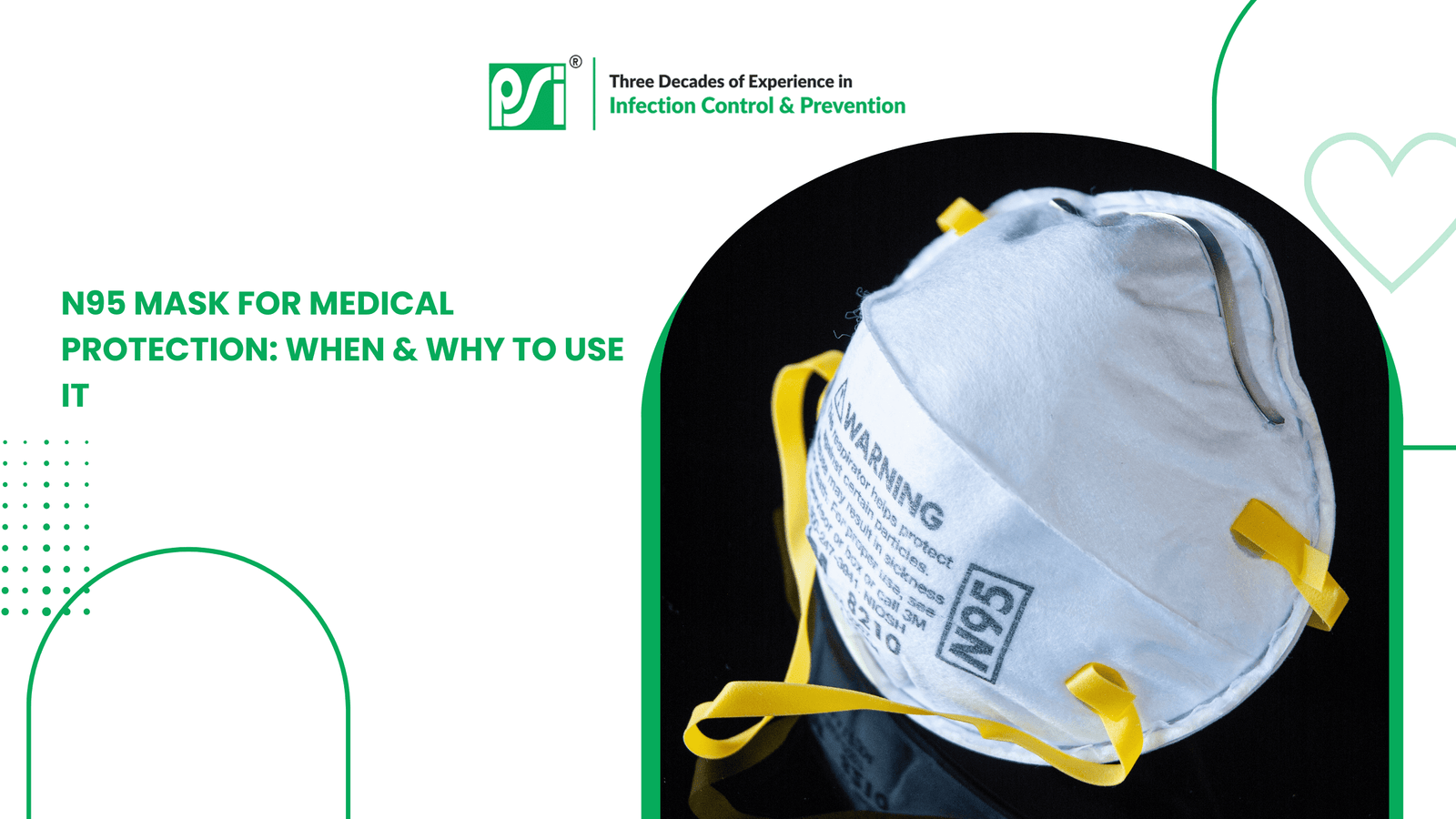
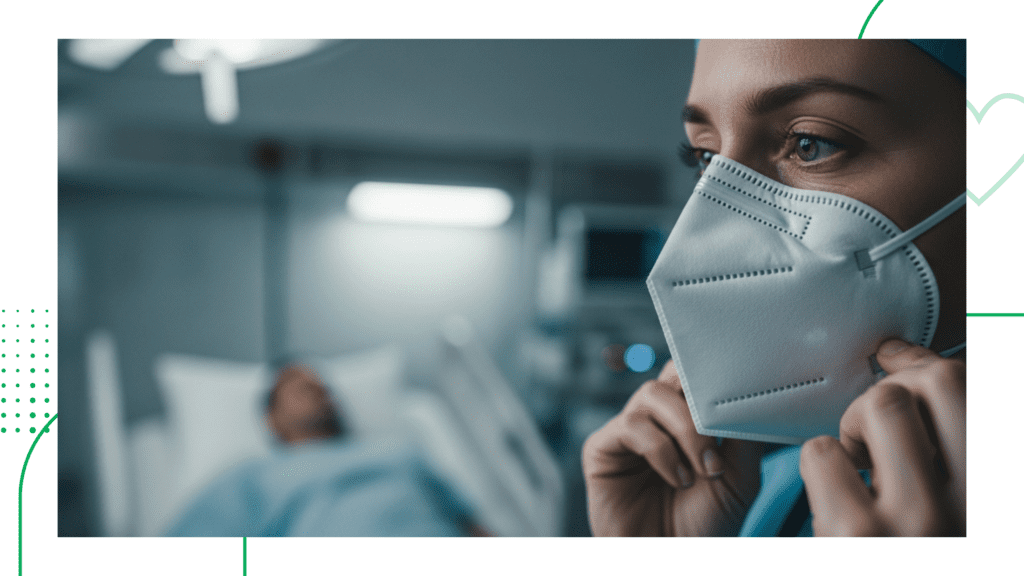
This is why the N95 mask for medical protection is crucial today.
It protects against airborne bacteria, viruses, and infectious particles.
Unlike basic masks, N95 respirators provide progressive filtration and tight facial sealing.
They are designed specifically for medical exposure environments.
An N95 respirator for patient care protects staff during high-hazardous procedures.
It also reduces cross-infection inside hospitals.
In this blog, you will learn:
- What an N95 mask does.
- When healthcare workers should use it.
- Why it improves infection control.
- How to use it correctly.
- Why Plasti Surge Industries aids medical PPE safety.
What Is an N95 Mask for Medical Protection?
Unlike surgical masks, N95 masks:
- Provide tight facial seals.
- Filter microscopic airborne particles.
- Protect during aerosol-generating procedures.
They are absolutely critical in high-risk healthcare environments.
When Should N95 Masks Be Used?
N95 masks are required during high-risk medical exposure.
Common situations include:
- Treating respiratory infection patients.
- Performing intubation or suction procedures.
- Working in ICUs or isolation wards.
- Handling aerosol-generating treatments.
Healthcare staff often wear N95 masks for extended patient contact.
Why N95 Masks Matter for Safety
Hospitals face continuous infection risk.
Respiratory protection is critical for infection prevention.
N95 masks help by:
- Reducing airborne exposure.
- Preventing cross-infection between patients.
- Protecting healthcare workers.
- Supporting infection control protocols.
Interesting fact:
Healthcare facilities using proper N95 protocols lessen respiratory infection spread significantly.
Benefits of N95 Respirators in Patient Care
Staff Protection
Decreases exposure during high-risk medical procedures.
Patient Safety
Intercepts transmission between staff and vulnerable patients.
Cost Savings
Reduces infection-related staff absenteeism.
Compliance
Supports global infection-control regulations.
Step-by-Step: Correct Use of N95 Masks
Proper usage ensures maximum protection.
Step 1: Perform Hand Hygiene
Wash or sanitize hands before wearing a mask.
Step 2: Position Mask Correctly
Cover nose and mouth fully.
Step 3: Secure Straps
Adjust straps behind the head.
Step 4: Perform Seal Check
Inhale and check for air leakage.
Step 5: Avoid Touching Mask
Touching lowers protection.
Step 6: Dispose Safely
Discard after recommended usage time.
Real-World Example
A hospital introduced strict N95 respirator for patient care guidelines.
Results included:
- Reduced staff respiratory infections.
- Lower cross-contamination incidents.
- Improved staff safety confidence.
Consistent and proper PPE use improved outcomes significantly.
Why Healthcare Providers Trust Plasti Surge Industries
Plasti Surge Industries manufactures high-grade medical disposables and protective equipment.
We centre on safety, sterility, and regulatory compliance.
Our strengths include:
- Reliable PPE manufacturing.
- Infection control product expertise.
- Consistent supply capability.
- Medical-grade quality standards.
We support healthcare providers globally.
Conclusion
Respiratory protection is essential in present-day healthcare.
The N95 mask for medical protection assists prevent airborne infection spread.
Proper usage upgrades staff safety and patient protection.
Hospitals must prioritize certified medical PPE.Contact Plasti Surge Industries for reliable medical PPE designed for real healthcare protection.
Because every breath matters in patient care.