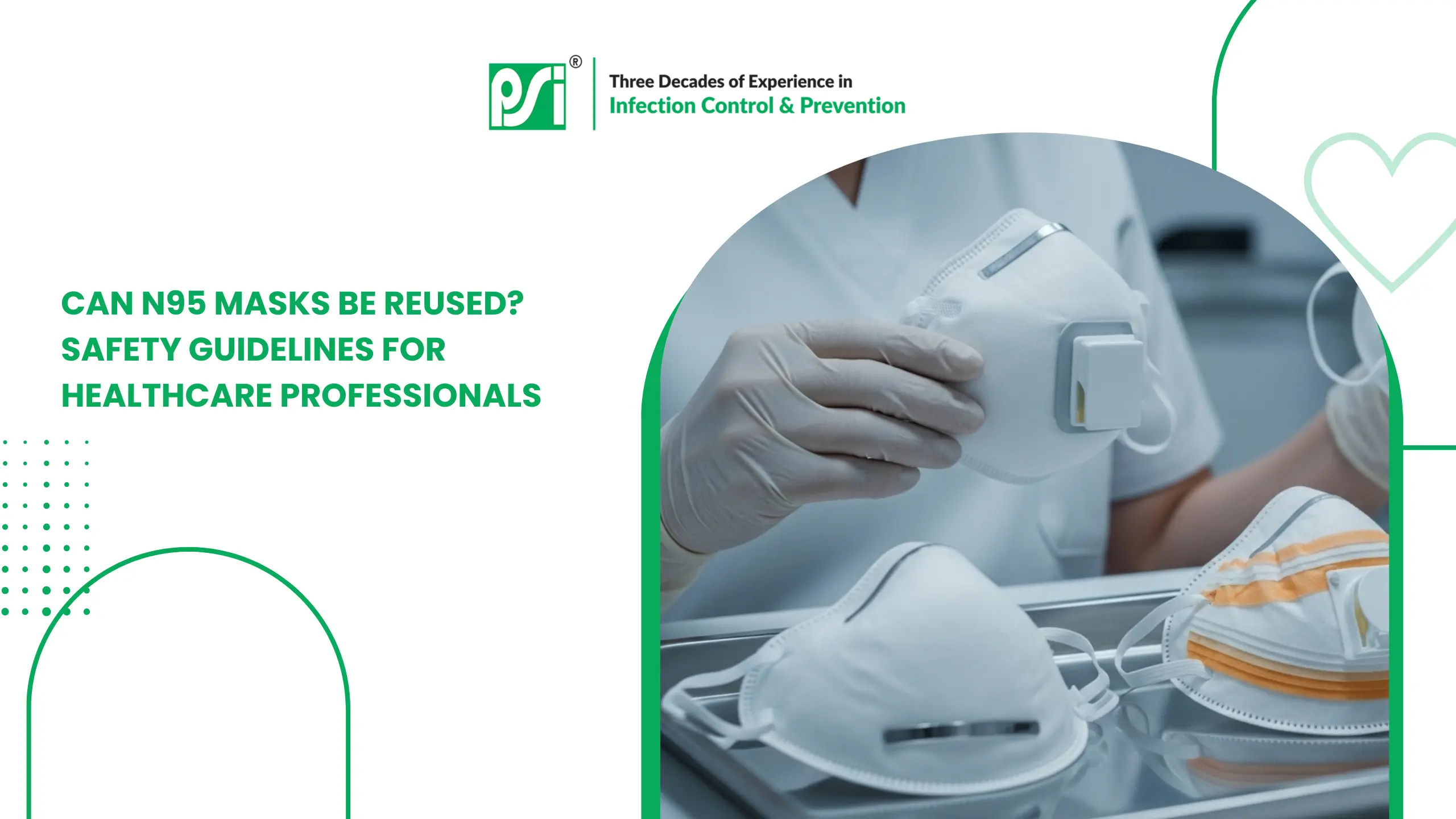
Can N95 Masks Be Reused? Safety Guidelines for Healthcare Professionals
Can healthcare professionals safely reuse N95 masks?
This question becomes crucial during supply shortages.
Medical-grade N95 masks are essential in infection control.
They safeguard healthcare workers from airborne pathogens.
However, high demand sometimes leads to limited supply.
This creates uncertainty about reuse practices.
Improper reuse can reduce mask effectiveness.
It can also spiral exposure risk.
Healthcare providers must follow strict safety guidelines.
Understanding correct usage helps maintain protection.
This article centres on N95 mask for medical use in real clinical settings.
It explains when reuse is possible and when it is not.
Companies like Plasti Surge Industries provide reliable PPE solutions.
They pivot on safety, quality, and compliance.
In this article, you will find out:
- Whether N95 masks can be reused
- Safe reuse guidelines
- Risks of improper reuse
- Best practices for healthcare professionals
What Are Medical-Grade N95 Masks?
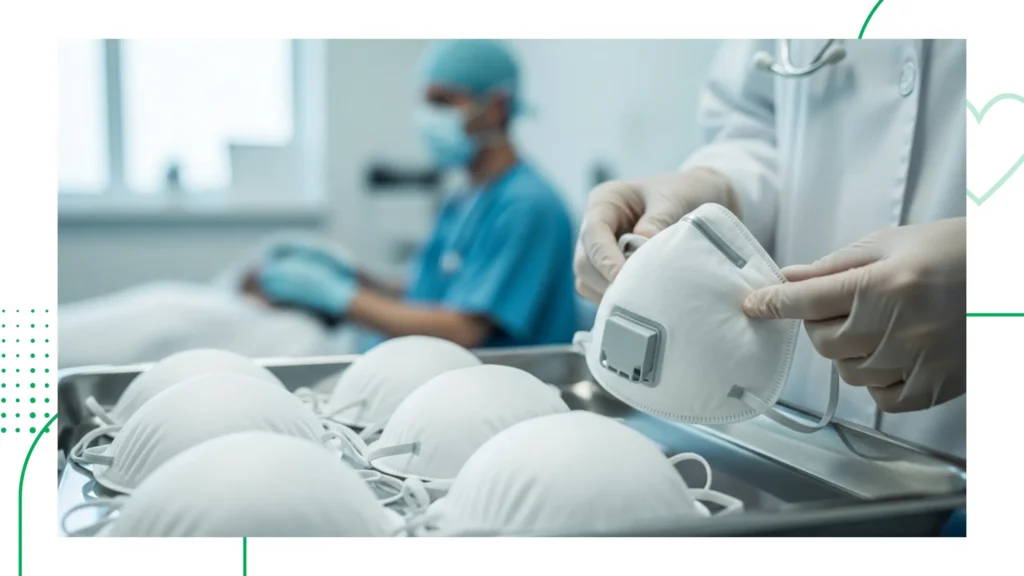
They are used in high-hazard healthcare environments.
They protect against infectious aerosols.
Main features include:
- Tight facial seal
- Multi-layer filtration
- Certified performance standards
Why Proper Usage Matters
N95 masks are designed for single-use in most situations.
This guarantees maximum protection.
However, emergencies may require extended use or reuse.
Guidelines must be followed stringently.
Can N95 Masks Be Reused?
Yes, but only under strictly controlled conditions.
Reuse is not always recommended.
Situations where reuse may be considered:
- Supply shortages
- Limited exposure settings
- Controlled healthcare environments
Perils of Reusing N95 Masks
Reduced Filtration Efficiency
Repeated use can damage filter layers.
Poor Fit and Seal
Mask shape may change over time.
Contamination Risk
Surface contamination increases exposure risk.
Interesting fact:
Improper reuse can significantly reduce mask efficacy.
Safe Reuse Guidelines for Healthcare Professionals
Follow Rotation Method
Employ multiple masks and rotate daily.
Store Masks Properly
Keep in breathable, clean containers.
Inspect Before Use
Check for damage or moisture.
Avert Touching Front Surface
Reduces contamination risk.
Limit Reuse Cycles
Do not exceed recommended usage cycles.
When Not to Reuse N95 Masks
After High-Risk Exposure
Avoid reuse after aerosol-generating procedures.
If Mask Is Damaged
Abandon if straps or structure fail.
If Contaminated
Do not reuse visibly soiled masks.
If Breathing Becomes Difficult
Reduced airflow indicates lessened efficiency.
Advantages of Following Proper Guidelines
Maintains Protection
Ensures mask works effectively.
Protects Healthcare Workers
Reduces infection risk.
Optimizes Resource Use
Extends usability during shortages.
Supports Compliance
Positions with healthcare safety protocols.
Real-World Example
During a supply shortage, a hospital in Akola implemented mask rotation.
Results included:
- Extended mask usability
- Maintained safety standards
- Lessened wastage
Proper protocols made reuse safer.
Why Healthcare Providers Trust Plasti Surge Industries
Plasti Surge Industries manufactures high-quality medical PPE.
The company pivots on safety and reliability.
They proffer:
- Certified medical-grade N95 masks
- Consistent manufacturing standards
- Reliable supply capability
- Infection control expertise
They aid healthcare providers globally.
Conclusion
N95 masks are essential for healthcare safety.
They provide essential protection against airborne infections.
Reuse is possible, but only with strict guidelines.
Improper reuse increases risk significantly.
Healthcare professionals must prioritize safety over convenience.
Following correct practices ensures protection remains effective and secure.Check out Plasti Surge Industries for reliable, high-quality PPE solutions. Because safe protection starts with trusted products.