Chemotherapy Spill Kit
- Lightweight and portable design.
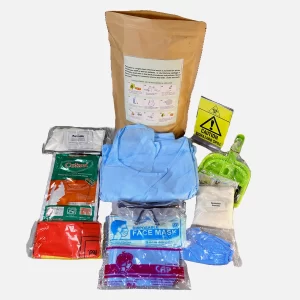
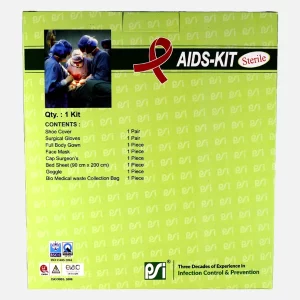
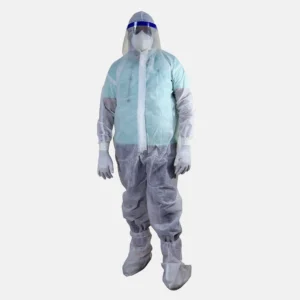
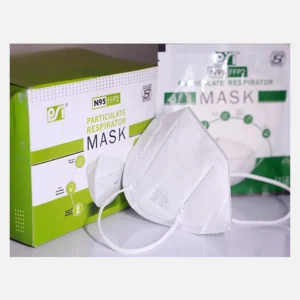
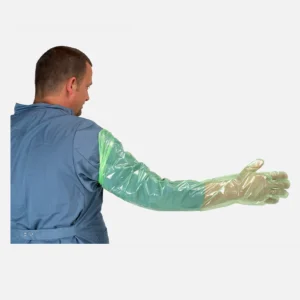
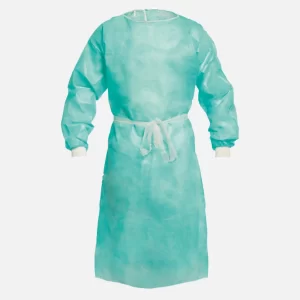
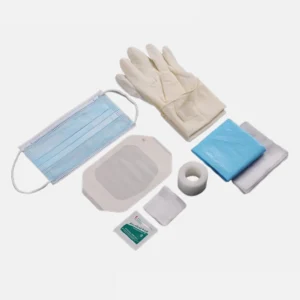
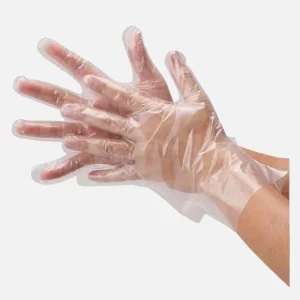
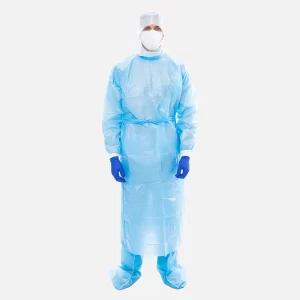
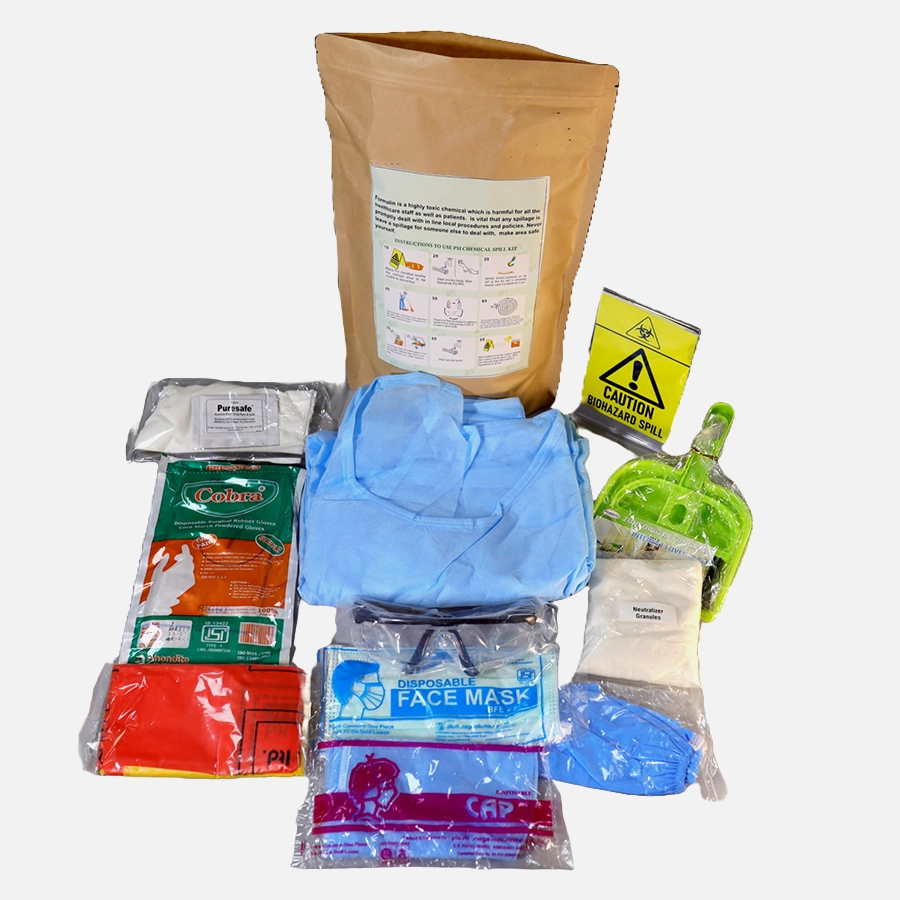
- Comprehensive supplies: PPE (gloves, masks), absorbent granules, disinfectants, and instruction manual.
- Customizable kit options are available.
- Refill supplies are offered for sustained use.
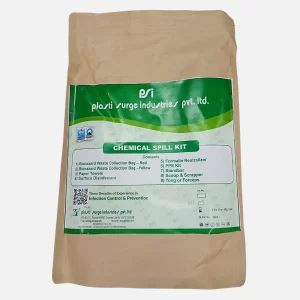
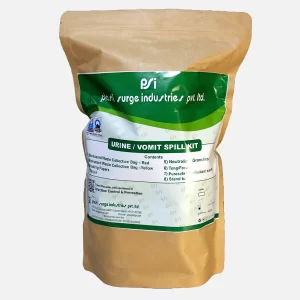
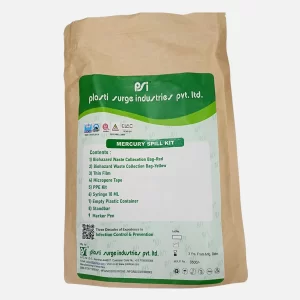
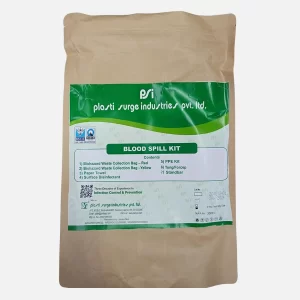
The Chemotherapy Spill Kit contains the tools for safely managing toxic chemotherapy spills. It provides personal protective equipment (PPE), absorbent materials, and disinfectants to contain and clean spills effectively, ensuring safety in healthcare environments.
Uses:
- Safely manage chemotherapy spills in healthcare settings.
- Protect staff and patients from harmful exposure.
- Maintain compliance with NABH safety regulations.
Technical Specification
| Model | YA-H2-1 |
|---|---|
| Overall Size | 2100*950*500-800mm |
| Lying surface | 1950*900mm |
| Back section adjustable | 0mm to 60mm |
| Height adjustable | 500-800mm |
| Safe working load | 200kg |
A Cytotoxic spill response kit is a specialized emergency kit designed to safely contain, clean, and dispose of chemotherapy drug spills. It includes personal protective equipment (PPE), absorbent materials, waste disposal bags, and cleaning supplies to reduce exposure to hazardous drugs.
A chemo spill clean-up pack typically contains chemotherapy-rated gloves, protective gowns, masks, absorbent pads or granules, waste disposal bags, disinfectants, scoops, and clear instructions for safe spill management. Contents may vary depending on the manufacturer and application.
Hazardous drug spill control helps protect healthcare workers, patients, and visitors from accidental exposure to cytotoxic medications. Proper spill management also supports infection prevention, workplace safety, and compliance with healthcare safety protocols.
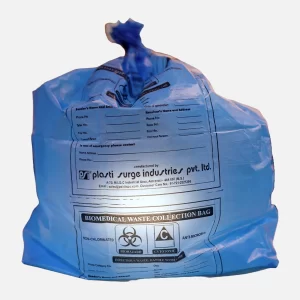
Materials used during spill clean-up should be placed in a designated chemotherapy waste disposal kit or approved cytotoxic waste container and discarded according to the facility’s hazardous waste management procedures and local regulations.
A Cytotoxic spill response kit should be stored in areas where hazardous drugs are prepared, transported, administered, or disposed of, such as oncology departments, pharmacies, infusion centers, and laboratories, so it is readily available during emergencies.