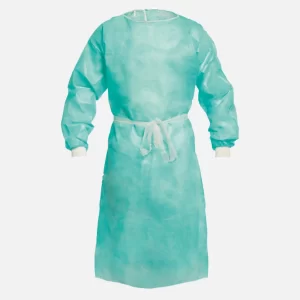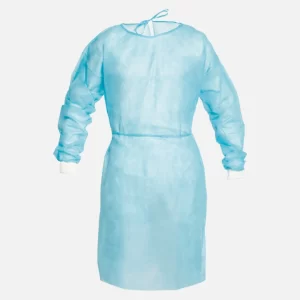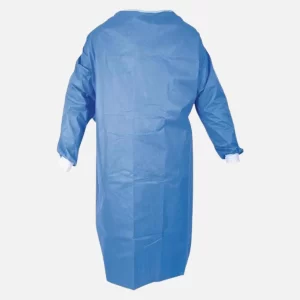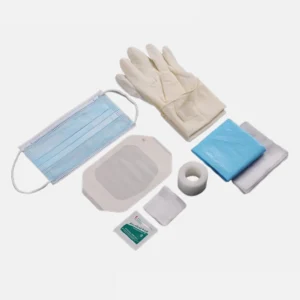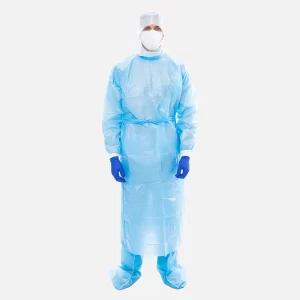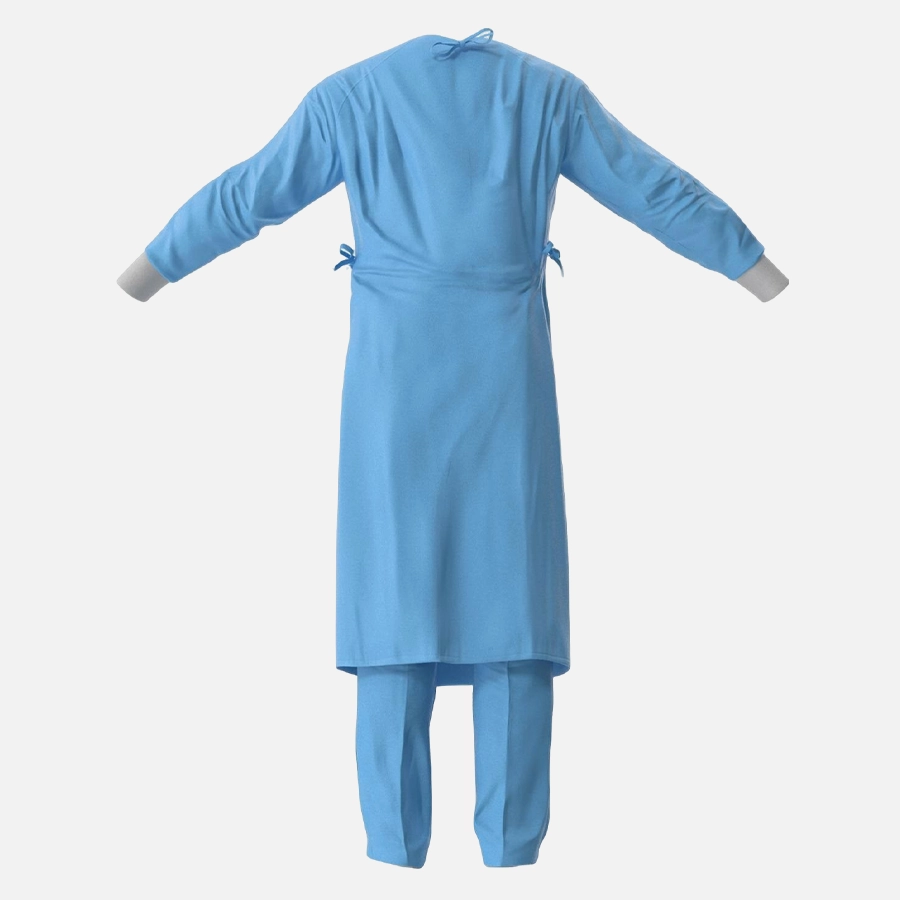
Surgical Cath lab Gown
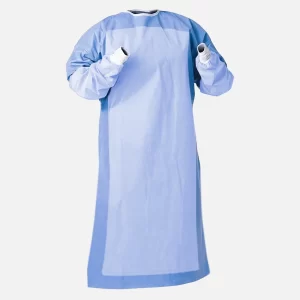
- Fluid-resistant front panel.
- Lightweight for extended use.
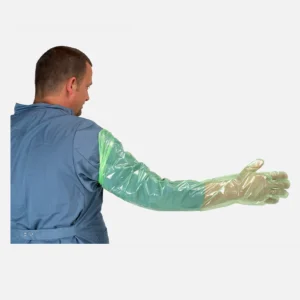
- Full-back and sleeve coverage.
- Latex-free construction.
- They are disposable and sterile.
- Risk level: High.
- Compliant with AAMI Level 4.
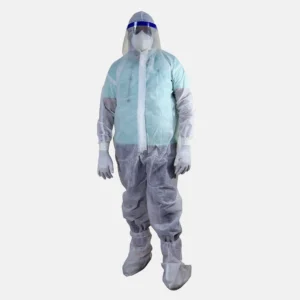
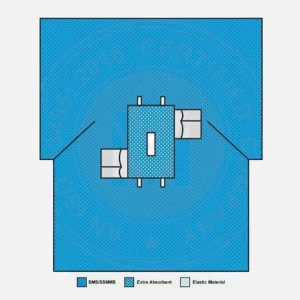
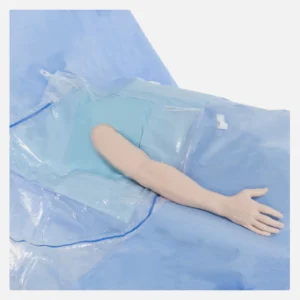
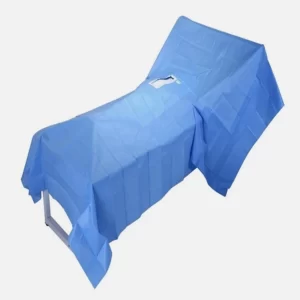
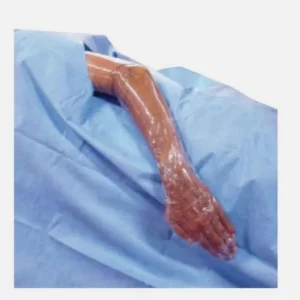
Specific gowns created for catheterization lab procedures are known as Surgical Cath lab Gowns. These gowns provide ultimate protection against fluids, comfort, and flexibility, allowing healthcare professionals to perform prolonged procedures comfortably.
| Model | YA-H2-1 |
|---|---|
| Overall Size | 2100*950*500-800mm |
| Lying surface | 1950*900mm |
| Back section adjustable | 0mm to 60mm |
| Height adjustable | 500-800mm |
| Safe working load | 200kg |
A surgical cathlab gown is a specialized sterile garment designed for catheterization lab procedures. It protects healthcare professionals from blood, fluids, and contaminants while ensuring comfort during long procedures. These gowns provide full-body coverage and act as a critical infection control barrier.
A cathlab disposable gown typically includes fluid-resistant material, full sleeve and back coverage, lightweight design, and latex-free construction. Most are sterile and single-use, helping reduce cross-contamination risks and maintaining hygiene in high-risk environments.
A cathlab surgical gown is specifically designed for high-fluid exposure procedures like angiography and catheterization. Unlike regular surgical gowns, it often meets higher protection standards (such as AAMI Level 4) and offers enhanced fluid resistance and durability for critical procedures.
Yes, cathlab sterile gowns are essential for infection prevention. They create a protective barrier against pathogens, bodily fluids, and contaminants, ensuring both patient and healthcare worker safety. Sterile, single-use gowns significantly reduce the risk of hospital-acquired infections.
Cathlab protective gowns ensure safety through high-level fluid resistance, reinforced protection zones, and compliance with medical safety standards. They are designed for high-risk procedures, offering maximum barrier protection against viruses, bloodborne pathogens, and fluid exposure.