Sponge Mop
- Home /
- Products /
- Sponge Mop
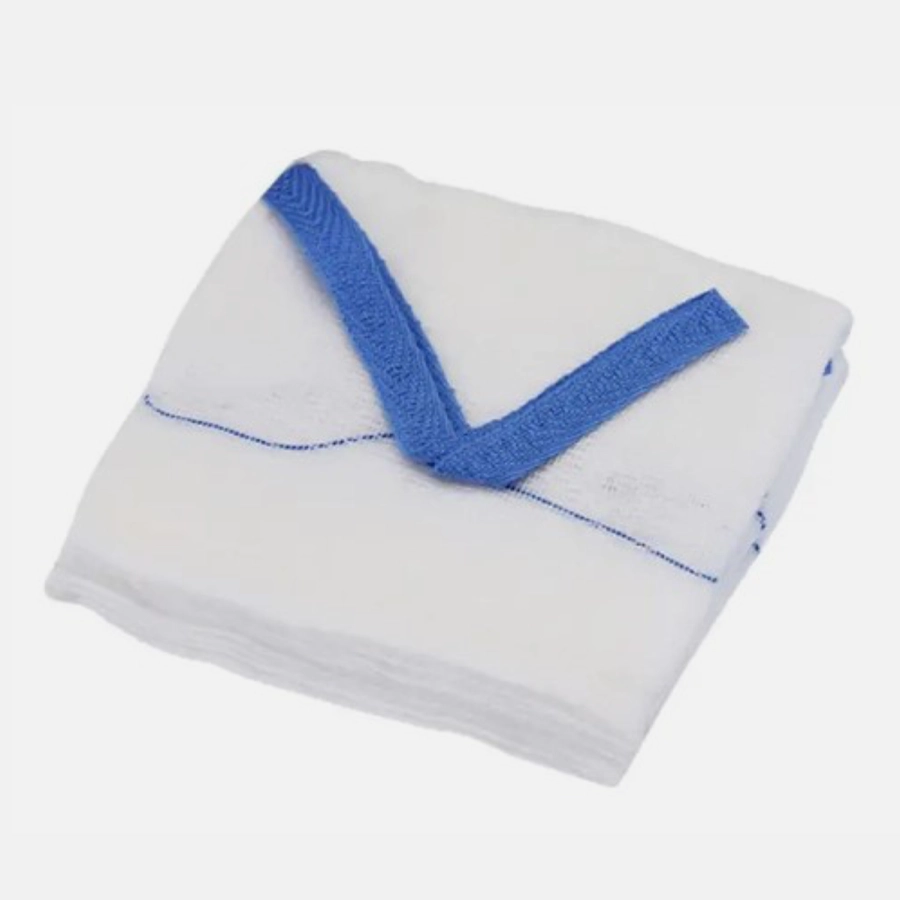
PSI Sterile Surgical Sponge Mop is made from 100% high-quality spunlace fabric and is thick enough for complete absorption during medical procedures. It features an X-ray-detectable thread to ensure patient safety by preventing infection. It is ideal for controlling bleeding and keeping the surgical area clear.
A surgical sponge mop is a sterile, absorbent medical product used during surgical procedures to clean wounds, absorb fluids, and maintain a clear operating field. It is typically made from high-quality spunlace fabric, ensuring softness, durability, and high absorbency.
Yes, disposable surgical mops are designed for single-use and are usually supplied in sterile packaging. They help reduce the risk of cross-contamination and infections, making them safe and essential for hospitals, operating rooms, and clinical procedures.
A sterile sponge mop is commonly made from high-quality spunlace fabric, a non-woven material known for its excellent absorbency, lint-free performance, and softness. This ensures effective fluid management without leaving residues in surgical areas.
Hospitals prefer sterile sponge mops because they offer high absorbency, maintain a sterile environment, and minimize infection risks. Their disposable nature and consistent quality make them reliable for surgical and wound care applications.
To choose the right surgical sponge mop supplier, look for compliance with medical standards, use of high-quality spunlace fabric, availability of sterile and disposable options, and consistent supply capabilities. Reliable suppliers ensure product safety and performance in critical healthcare settings.



Pesticide Biosensor Kit (BioKit)
Soil Organic Carbon Detection Kit

Soil Field Test Kit
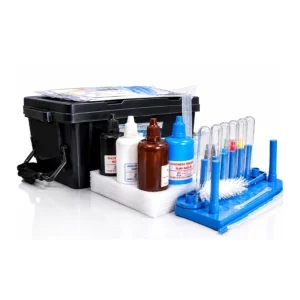
Water Quality Field Test Kit (FTK)
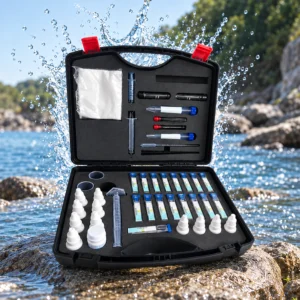
Toxicant Detection Strip
Soil Testing & Fertilizer Recommendation (STFR) Kit

Bacteriological Field Test Kit (H2S Vial)
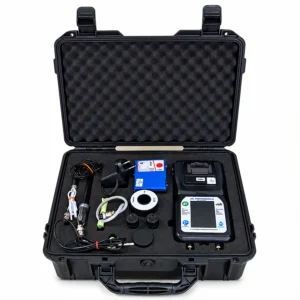
Digital Water Quality Monitoring Analyzer
Safe Delivery Kit
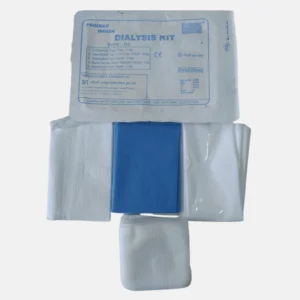
Dialysis Dressing Kit
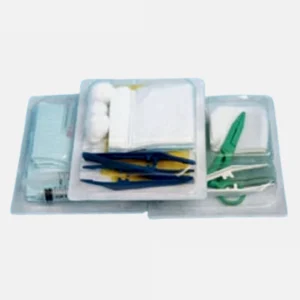
Dressing Kit – Large
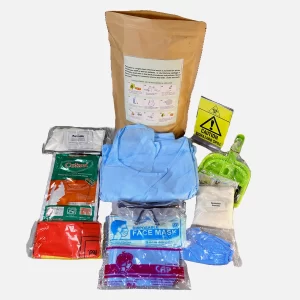
Chemotherapy Spill Kit

Chemical Spill Kit
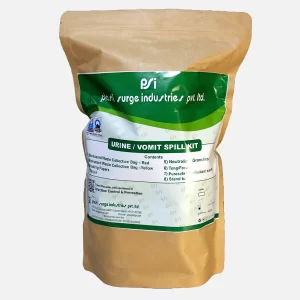
Urine/Vomit Spill Kit
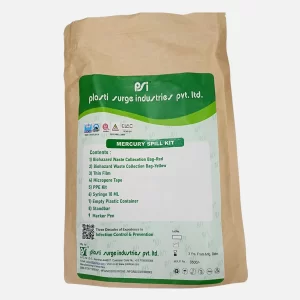
Mercury Spill Kit

H2S Bacteriological Drinking Water Test Kit
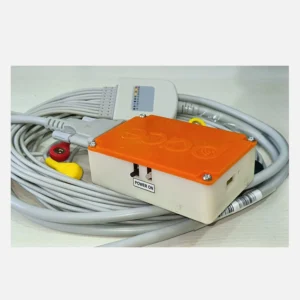
Portable Appliance For Correct ECG (PACE) Tele-Ecg Device
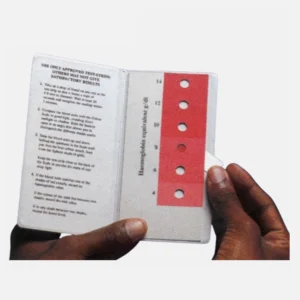
Hemoglobin Color Scale Kit
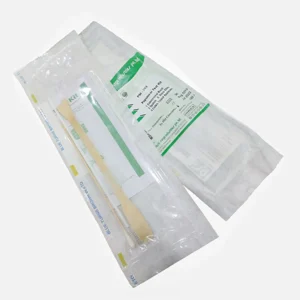
Pap Smear Kit

Pediatric Splint

Multipurpose Splint

Umbilical Cord Clamp
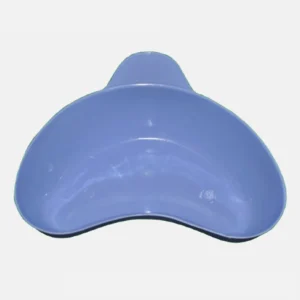
Kidney Tray
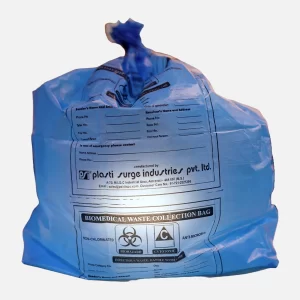
Biomedical Waste Collection Bag
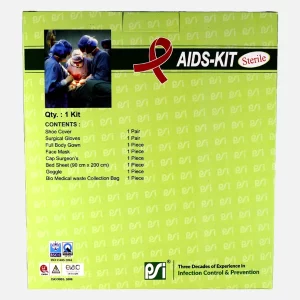
HIV/AIDS Kit
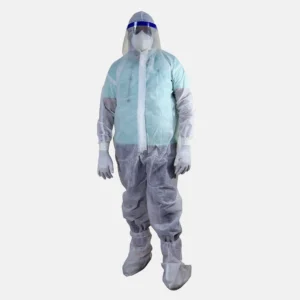
PPE Kit
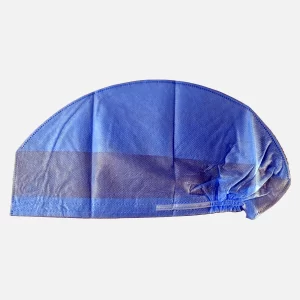
Surgical Cap
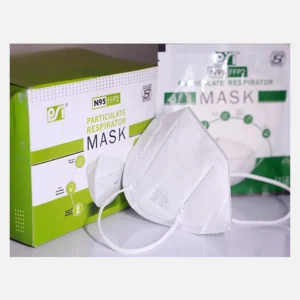
N-95/FFP2 Masks
Surgical Facemasks

Kids Face Mask

Shoe Covers
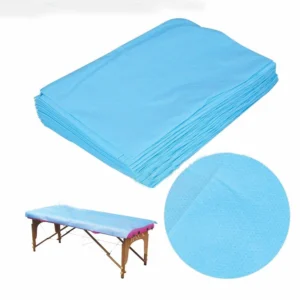
Bedsheet

Apron
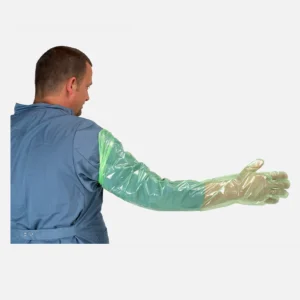
Full Arm Veterinary Gloves

Lamino Spinal Drape

Circumcision Drape
Cystoscopy Drape
TURP Drape

Angiography Pack
CABG Pack

Cathlab Drape

CVC Drape
Angioplasty Drape

Angiography Drape (Radial/Femoral)

C Section Pack
Normal Delivery Pack

Under Buttock Drape

Cesarean Drape

Extremity Pack

General Orthopedic Pack

Hip Pack
TKR Pack

Extremity Drape

Bilateral Drape
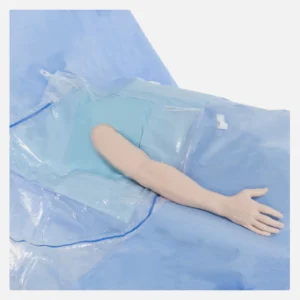
Shoulder Arthroscopy Drape

Knee Arthroscopy Drape

Arm U Drape
TKR Drape

Leg U Drape

Leg O Drape

Cataract Pack

ENT Drape

Eye Drape

Kidney Transplant Surgery Pack

Liver Transplant Surgery Pack
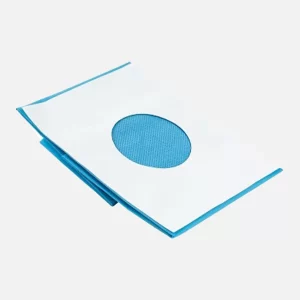
Minor Surgery Pack
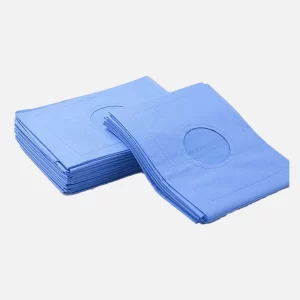
General Surgery Pack
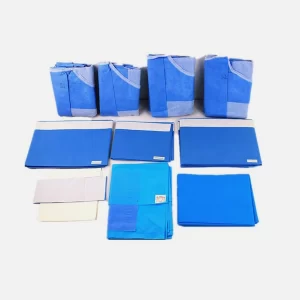
Universal Pack

Laprotomy Drape

Laparoscopy Drape
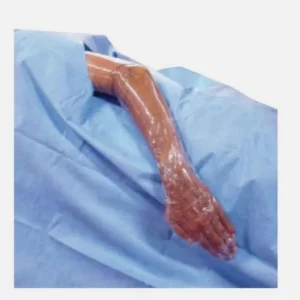
Cling Drape

Kidney Transplant Drape
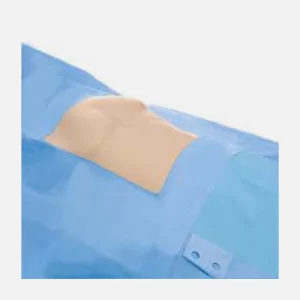
Liver Transplant Drape

General Surgery Drape

Major Drape

Minor Drape
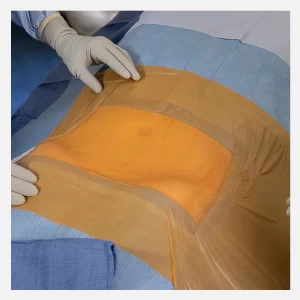
Iodine Incise Drape

Split Sheet
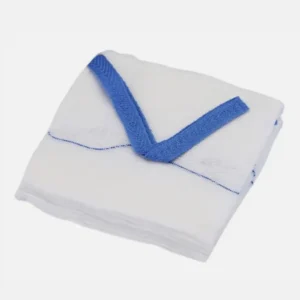
Sponge Mop

Reinforced OT Table Cover
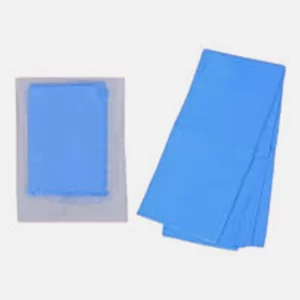
OT Table Cover

Reinforced Mayo Trolley Cover

Mayo Trolley Cover
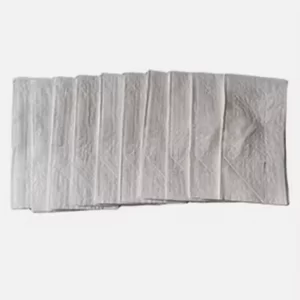
Absorbent Hand Towels

Sterilization Wrapping Sheets
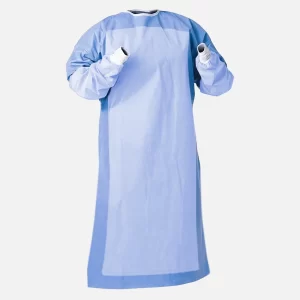
Surgical Reinforced Gown

Surgical Cath lab Gown
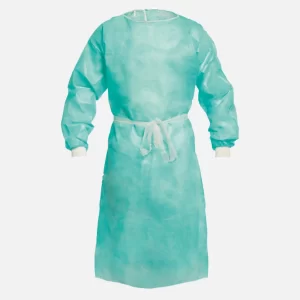
Surgical Reinforced Wraparound Gown
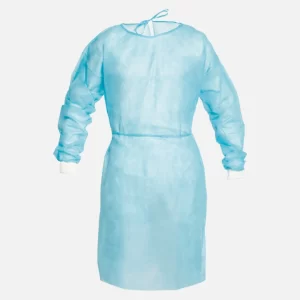
Surgical Wraparound Gown
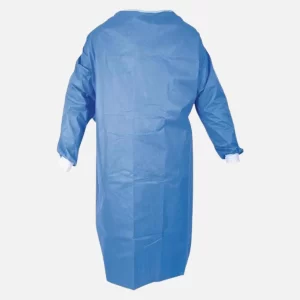
Impervious Isolation Gown

Compostable garbage bag
Compostable Apron

Compostable Hand gloves

Mother & Child Care Kit

Customized Healthcare Kit
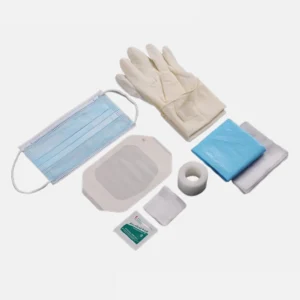
Dressing kit – small
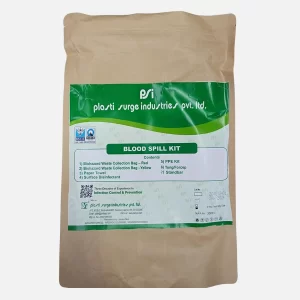
Blood Spill Kit

Salt Testing Kit

Circumcision/Plastibell Device

Plastic Gloves

Craniotomy drape

PCNL drape

CABG drape

Gynecology/Normal Delivery drape

Hip U drape

Incise eye drape

Incise Drape
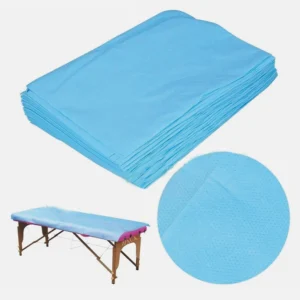
Plain Sheet
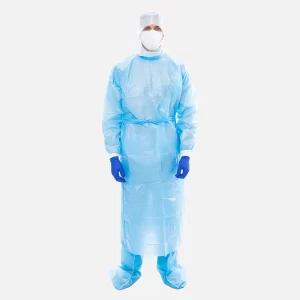
Isolation Gown