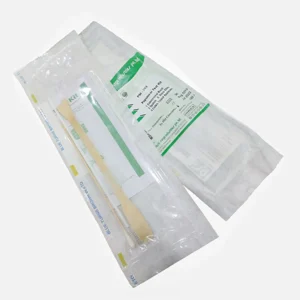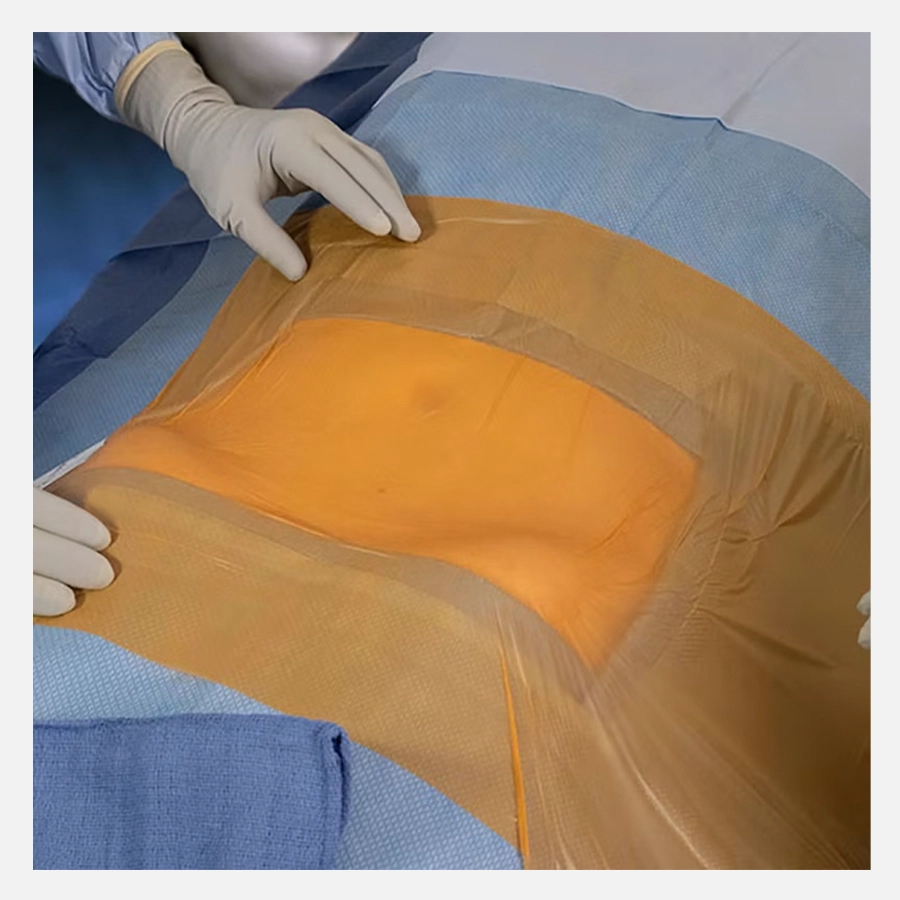
Iodine Incise Drape
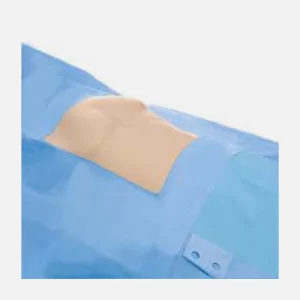
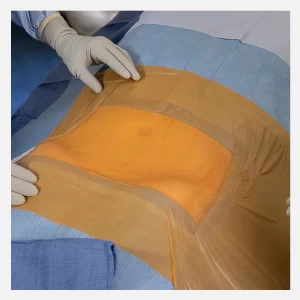
- It is a transparent, adhesive film infused with iodine.
- A single-use product that is sterile and reusable.
- Sizes: Available in multiple dimensions to suit various procedures.
- Effectiveness against pathogens: Continuous release of iodine during surgery to maintain aseptic coverage and ensure sterility.
Its iodine-infused sterile and adhesive layer provides continuous antiseptic coverage during surgery. Its secure attachment to the skin protects the area from infection.
Uses:
- Infection control and sterile coverage are essential for surgeries.
- It provides antiseptic protection through the infusion of iodine.
- Minimizes movement and contamination by adhering to the skin.
Technical Specification
| Model | YA-H2-1 |
|---|---|
| Overall Size | 2100*950*500-800mm |
| Lying surface | 1950*900mm |
| Back section adjustable | 0mm to 60mm |
| Height adjustable | 500-800mm |
| Safe working load | 200kg |
An iodine incise drape is a sterile, transparent adhesive surgical film infused with iodine that is applied over the patient’s skin before an incision is made. It helps maintain a sterile surgical field and provides continuous antimicrobial protection during the procedure.
A sterile iodine drape is used to reduce the risk of surgical site infections by creating a protective barrier over the skin. The iodine released from the drape helps inhibit bacterial growth and prevents microorganisms from migrating into the incision area.
An adhesive iodine drape sticks firmly to the patient’s prepared skin and gradually releases iodine during surgery. This continuous antimicrobial action immobilizes bacteria on the skin and helps keep the surgical incision area sterile throughout the procedure.
Yes, most iodine surgical drapes are disposable and single-use products. They are supplied sterile and are designed to be discarded after the surgical procedure to maintain hygiene and prevent cross-contamination between patients.
A disposable iodine drape is commonly used in procedures such as orthopedic surgery, neurosurgery, abdominal surgery, cardiovascular surgery, and plastic surgery. These drapes help maintain aseptic conditions and reduce contamination during surgical incisions.